★★★★★Google
“The material was easy to follow and provided real-life application that made the legal process feel more approachable.”
View on Google

86 of every 100 tenants in observed Cook County eviction hearings had no lawyer. They still had to act.
Illinois courts opened 390,887 new civil cases in 2024. In Chicago, about 4 in 100 tenants facing eviction got a free lawyer for the whole case. The earlier Just Us Bridge library teaches case steps online and could be adapted for wider distribution under a future agreement.
26 finished episodes · 19 on the public site · treatise-backed scripts
Eviction course tested · built in Illinois, ready for any state
Sources: Chicago Appleseed, 2025 · Illinois Courts, 2024 · Stout, 2024
Learning and participant data: independent evaluations by Spek Strategies (2024, 2025), reported in Jim Winner's preprint. Signups and views: program records. These are knowledge gains, not court outcomes. No court-outcome study has been run yet.



Episodes are built on written treatises that cite the statutes, rules, and cases they teach.Entertainment on screen. Authority underneath.
“Litigation literacy is the knowledge, skills, and dispositions required to recognize a justiciable problem, invoke or respond to formal legal process, and participate competently in the adversarial resolution of that problem, with or without professional assistance.”Jim Winner · Litigation Literacy in the Lawyerless Court · Public preprint, Sept. 2026
Cook County Legal Aid for Housing and Debt and its Early Resolution Program connect residents to free legal aid, mediation, and case management. They help. They were not built to carry most people through trial.
“In most instances, clients remaining in the ERP program would not continue contact with the attorney assisting them through the final resolution of the matter.”Stout, Evaluation of Cook County Early Resolution Program, Dec. 2022
Where JUB fits. After the consultation, the tenant or debtor still has to file, appear, answer discovery, argue, and preserve the record. When a lawyer gives advice only, declines the case, or stops before trial, JUB trains the person to carry every remaining step in order.
04 / Where free help stopsMore than half of Illinois eviction filings are outside Cook County, beyond the reach of its diversion program. Money cases are filed in every circuit.
Built in Illinois. Ready for any state. The format travels. The same case sequence, scenes, treatises, and scored checks can be rebuilt on another state's statutes and court rules. Episodes already teach federal procedure alongside Illinois practice, and federal rules apply in every state.
One library, 102 counties. JUB runs online and on demand. Its treatises teach the Illinois Code of Civil Procedure and Supreme Court Rules, which govern every circuit. Cook County programs and courtroom details are flagged as local.
05 / All of IllinoisOf 342,439 new civil cases in Illinois in 2023, 64,313 were evictions. The rest include credit-card suits, car and contract disputes, and claims people cannot afford a lawyer to bring. The same procedure decides all of them.
Illinois civil and eviction counts: Illinois Courts 2023 Statistical Summary. Episode names from JUB scripts and the episode guide. The FDCPA course is in the JUB archive.
06 / Beyond evictionMost people meet the legal system after a deadline starts running. JUB teaches the case as a line, from the first dispute to the final record, so a person documents, researches, negotiates, and files in order and knows what each move triggers.
Dispositive Motions, Notices, Hearings, Case Management, and Making a Record are finished episodes beyond the 19 on the public site. Citations are drawn from JUB treatises.
07 / Before a case is filedIllinois Legal Aid Online offers substantial guides, forms, and videos. Its Easy Forms can assemble an appearance, a jury request, and an answer. That gets a paper filed. It does not teach what the paper sets in motion, what the other side does next, or which move keeps the next option open. JUB teaches the case as a linear progression, from notice to judgment to appeal, and tests whether the learner can make each call.
| What it takes to hold a case | ILAO | JUB |
|---|---|---|
| Written legal guidance organized by case stage or topic | ✓ | ✓ |
| Legal video | ✓ | ✓ |
| Answer an interview that assembles court forms | ✓ | ○ |
| Apply for or find free legal help | ✓ | ○ |
| Learn the case as a linear progression: what each filing triggers and what comes next | ○ | ✓ |
| Weigh the strategic choice at each stage: challenge, negotiate, demand proof, or preserve error | ○ | ✓ |
| Follow one eviction case in sequence, from notice to the win or loss paths | ○ | ✓ |
| Score legal choices: eviction quizzes and exams, plus scenario checks for Civil Procedure and Know Your Rights | ○ | ✓ |
| Scenes, comedy, and recurring characters that make procedure memorable | ○ | ✓ |
| Issue index that jumps to the exact video segment, treatise section, and form | ○ | ✓ |
✓ Available now. ○ Not offered as connected training on ILAO's public eviction, civil-practice, and police pages reviewed Sept. 24, 2026. Its linked city videos explain the process but do not test choices.
Try one lesson. A five-day notice arrives. A form cannot tell the tenant whether the notice is defective, whether to challenge service before answering, or what the landlord will file next. The issue index opens Notice Ninja at the scene where the mistake plays out, the treatise supplies the rule, and the quiz forces the call. In the notices unit, paired scores rose from 54 to 88.
Paperwork is a single step. A lawsuit is a sequence. JUB teaches the sequence, and the strategy inside it.
Sources: ILAO eviction hub, Respond to an eviction (Easy Form), linked city videos (reviewed Sept. 24, 2026); Jim Winner, Litigation Literacy in the Lawyerless Court, public preprint; JUB scripts, treatises, and course records.
08 / Forms versus strategyAn eviction can turn on a defective notice, a jury demand, missing proof, or a 30-day window after judgment. JUB teaches the choice at each turn before the tenant faces it.
Stage-by-stage guides, a common-defenses article, and Easy Forms that produce an appearance, jury request, answer, defenses, and counterclaims. After judgment, its page centers on sealing, more time, and moving out. The sequence and the strategy are left to the tenant.
Six live episodes follow one case: notices, pretrial defenses, discovery, trial, and separate paths for a win or a loss. Each rests on a cited treatise, and the course scores the choices.

Start with one paper. The issue index takes a tenant from the paper in hand to the exact segment, treatise section, and form. The scored course then checks the choice. A future distribution agreement could make it available through libraries, housing sites, and courts.
ILAO comparison: eviction hub, common defenses, Respond to an eviction, after judgment. JUB: scripts, treatises, and Winner's preprint. Citations from JUB treatises. Not legal advice.
09 / Eviction defense head to head
Prepare: identify a 5-day, 10-day, or termination notice, then check its contents, timing, and service. Choose: challenge a defective notice or service before arguing the merits.
Prepare: file the jury demand with the appearance, which raises the landlord's cost of trial. Choose: negotiate from that position. After a judgment, bargain for an agreed order sealing the file.
Prepare: written discovery, a good-faith conference, then a motion to compel. A Rule 237 notice brings the landlord and records to trial. Choose: win on paper or test the case at trial.
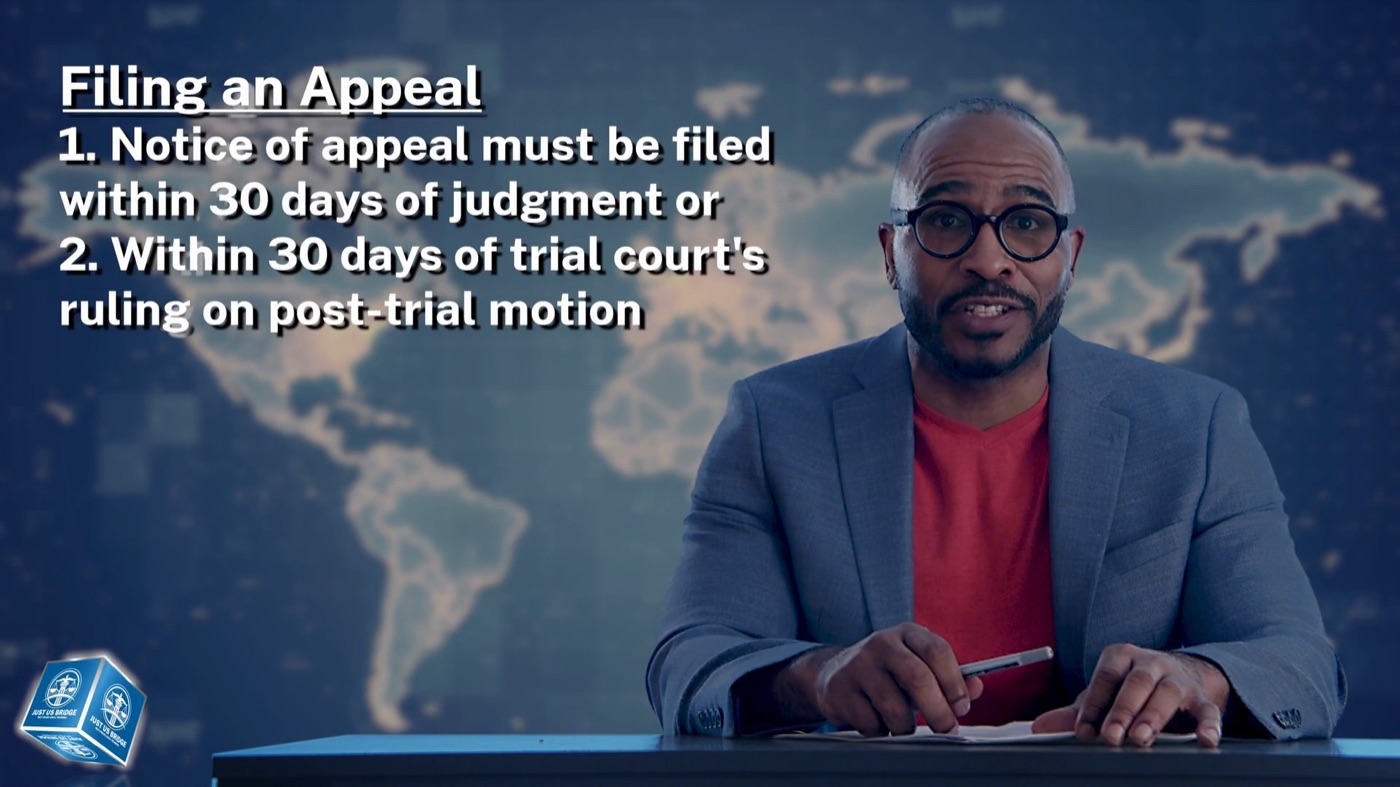
If you win: enter the judgment, collect through a citation to discover assets, and seal the file. If you lose: weigh a stay, a motion to vacate, a 2-1401 petition, a new-trial motion, and the record for appeal.
A person can find the right rule and still lose it by acting in the wrong order. JUB teaches the sequence of a lawsuit, including the move that keeps the next move available.
A detailed Illinois civil practice guide, which ILAO labels advanced content for lawyers, plus plain-language guides on being sued, motions, and appeals, a notice-of-appeal Easy Form, and an appeals video series. The order of moves is left to the reader.
Eleven live episodes run from research and investigation through complaints, answers, motions to quash, jury selection, motions, and objections. Finished episodes on settlement, notices, hearings, case management, the record, and Zoom court are ready to publish.

Make sequence visible. The issue index returns a learner to the exact segment, rule, and form when a real filing approaches, and scored scenario checks test the order of moves. A future production agreement could publish the finished episodes on settlement, notices, hearings, and the record, then add appeals and discovery.
ILAO comparison: Illinois civil practice, what to know if sued, motions basics, appeals basics. JUB: scripts, treatises, episode guide. Citations from JUB treatises. Check rules before use.
11 / Civil procedure head to head
Prepare: proof from personal knowledge, witness statements, and original documents, numbered for production. Choose: the right parties, court, and venue, then plead each element of the claim.
Prepare: compare the return of service with the facts. A challenge needs a verified affidavit. Choose: a motion to quash first, then a 2-615 or 2-619 motion, or an answer with defenses.
Prepare: put the request in writing and make a good-faith attempt to resolve the dispute. Choose: a motion to compel, then sanctions if the refusal continues.
Prepare: state the objection and its ground on the record, and secure a transcript or bystander's report. Choose: a post-trial motion, a motion to vacate, or an appeal before time runs.
ILAO already lists the rights and suggested words. JUB shows the pressure around the choice, then rehearses a response that protects safety, cooperation, and the legal record.
Police-stop and arrest FAQs cover identification, silence, searches, Miranda, and misconduct. They give suggested words, explain how to document a violation, and point to First Defense Legal Aid and complaint routes. It is reference material, not rehearsal.
In The Art of War, Parts I and II, Jim and Officer Popo, a puppet cop, walk through field interviews, Terry stops, pat-downs, consent, Miranda, and counsel, then the record to build afterward.

Useful in the room. Two live episodes, a written treatise, and scored scenario checks on the words and the order of moves. A future institutional edition for schools or public agencies would need its own agreement and current-law review.
ILAO comparison: police stops and searches, investigation and arrest, police resources. JUB: scripts, treatise, episode guide. Citations from JUB treatises. Review current law before distribution.
13 / Police KYR head to head
Prepare: know the difference between a field interview, a Terry stop, and an arrest. Choose: give the identification the law requires, then ask whether you are being detained.

Prepare: the words, and hands where the officer can see them. Choose: state non-consent before a pat-down or search. Do not physically resist, even if the search proceeds.
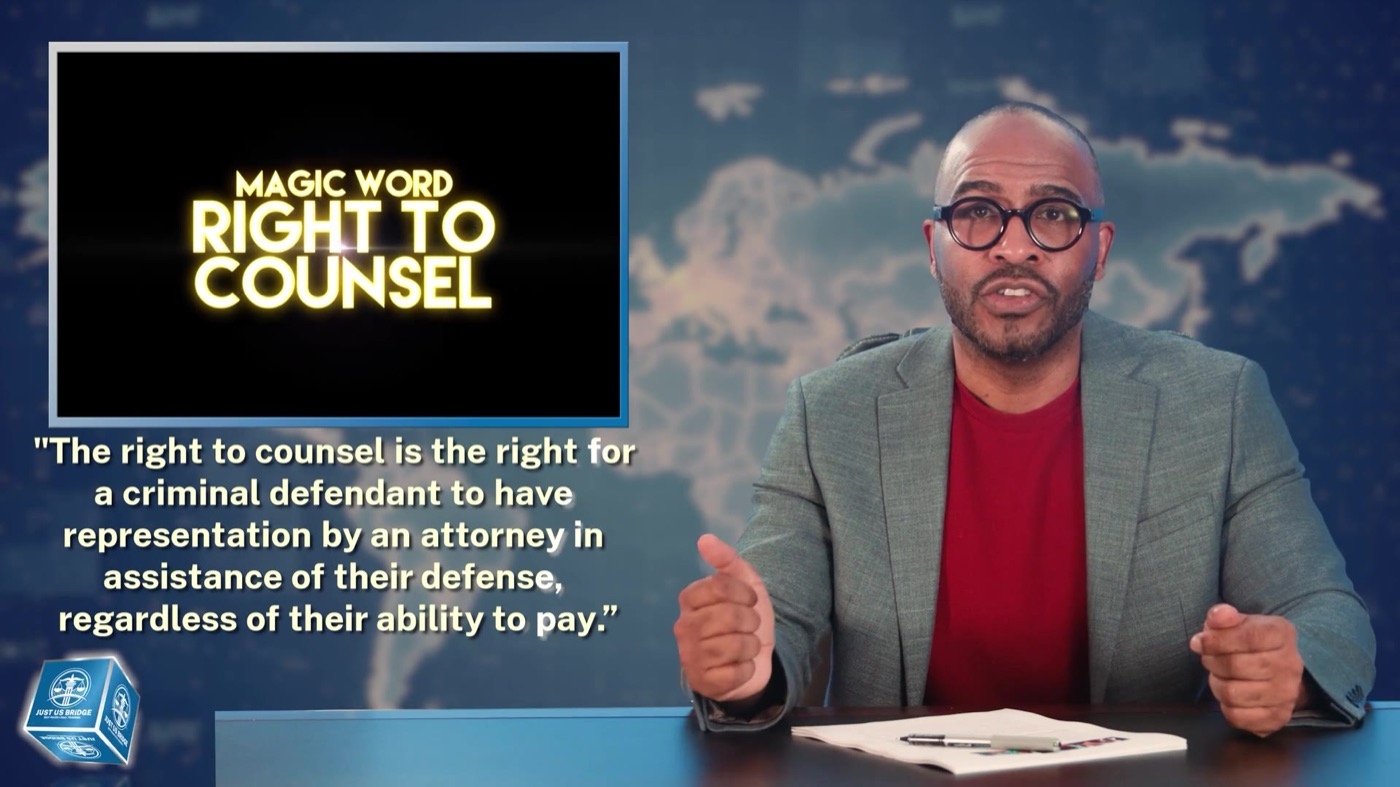
Prepare: the exact words: “I want a lawyer.” Choose: stay silent after invoking, even when an officer changes tone or baits a reply.

Prepare: badge and patrol car numbers, witnesses, video, injuries, and a written account while memory is fresh. Choose: a complaint, a defense lawyer, or a civil-rights claim.
Lights. Commands. Questions. Decisions demanded before there is time to search a website or reread a card.
Sources: CPD Traffic Stops, 2024; Chicago OIG Public Safety Annual Report, 2024; CPD Annual Report, 2024.

Chicago already has ads, cards, FAQs, brochures, videos, and workshops. JUB turns the rules into an encounter viewers can watch, rehearse, and recall under pressure. Stress can scramble detailed memory. Practice testing helps it hold.
Why rehearsal matters: acute stress can impair retrieval of detailed memories (Gagnon et al., Cerebral Cortex, 2019). In a laboratory study, material learned through practice tests held up under acute stress better than material that was only restudied (Smith, Floerke & Thomas, Science, 2016). Current-model review: CPD KYR campaign; ILAO police-stop FAQ; ACLU of Illinois; First Defense Legal Aid.
16 / Rehearsal under pressureThese are planning budgets, not Society offers or charitable asks. The first two examples use the existing Professional Litigant, Inc. library. The upper examples contemplate new production. Any Society role would require a written license, conflict review, authority to operate where required, and separate approval before money or work changes hands. A future project would report signups, viewers, test-takers, and paired learning separately.
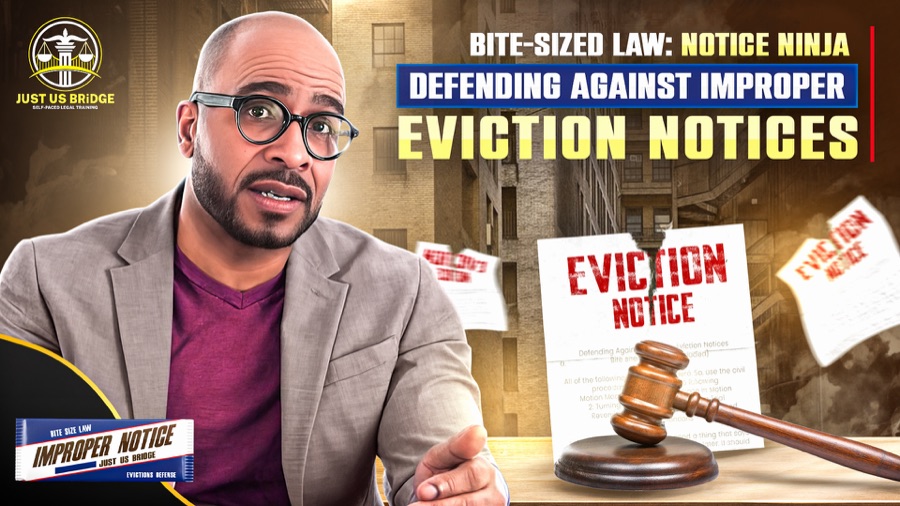
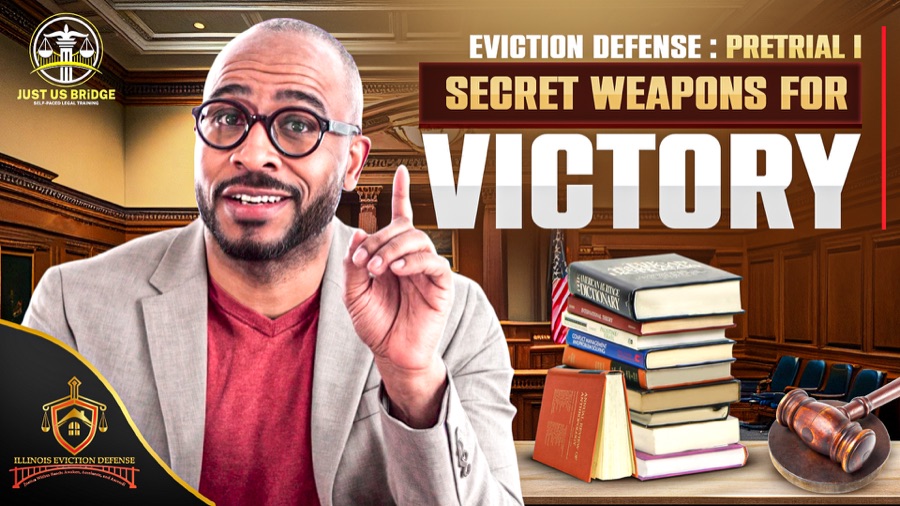
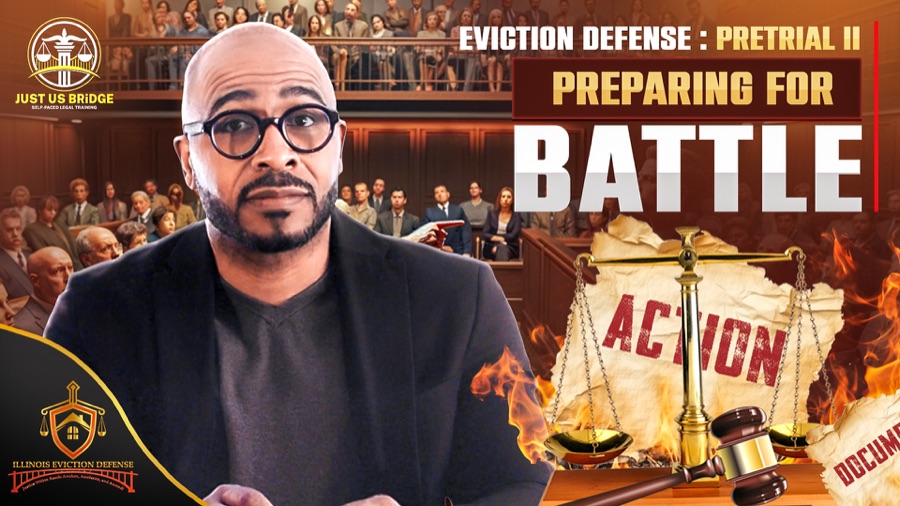

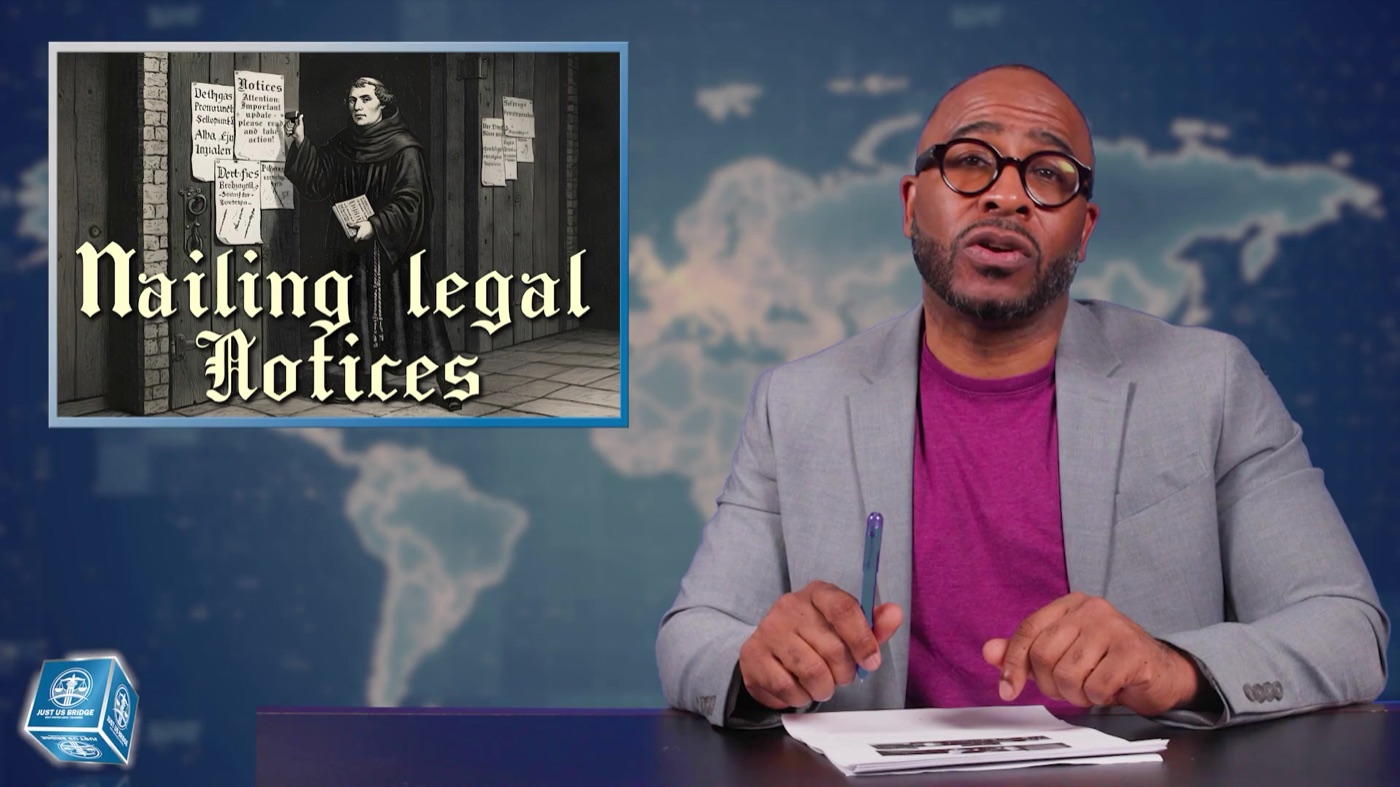
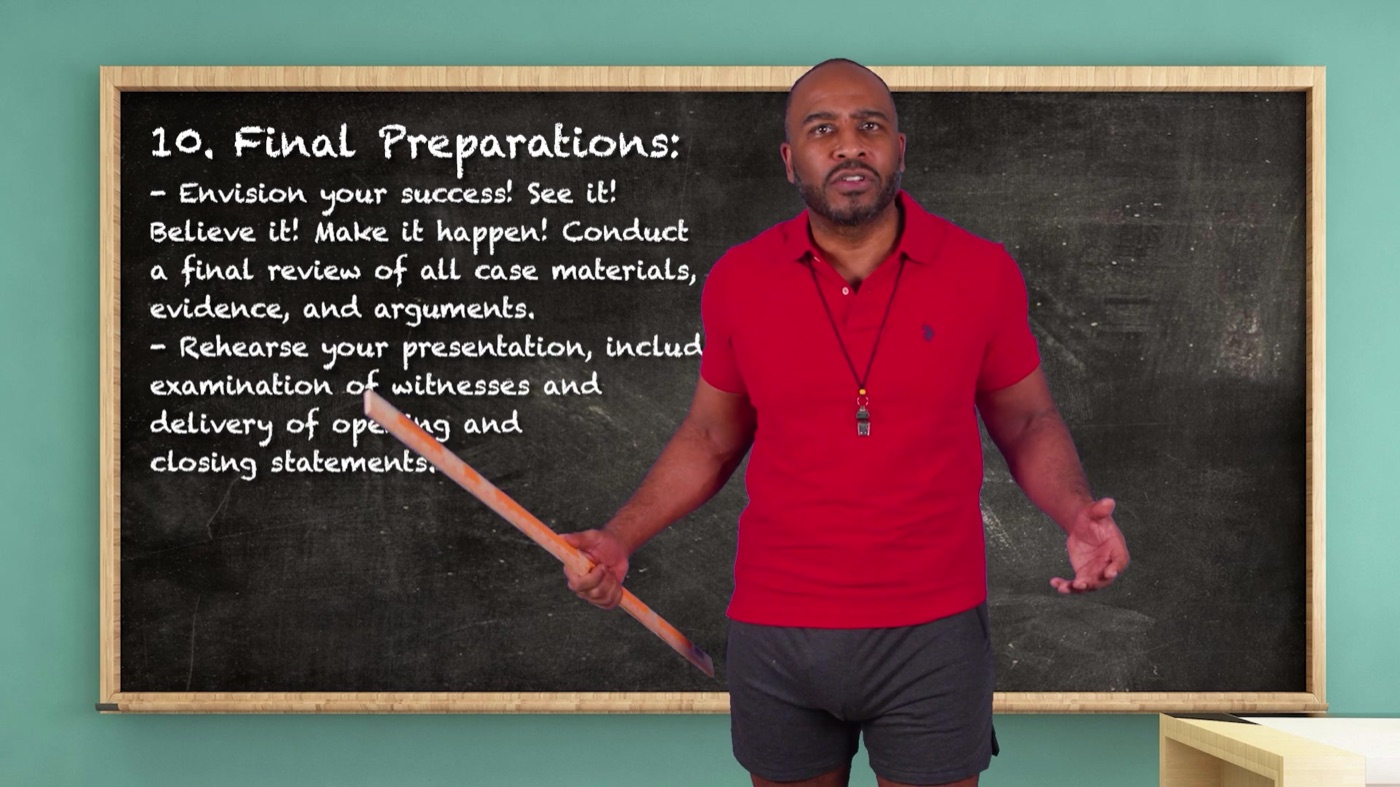
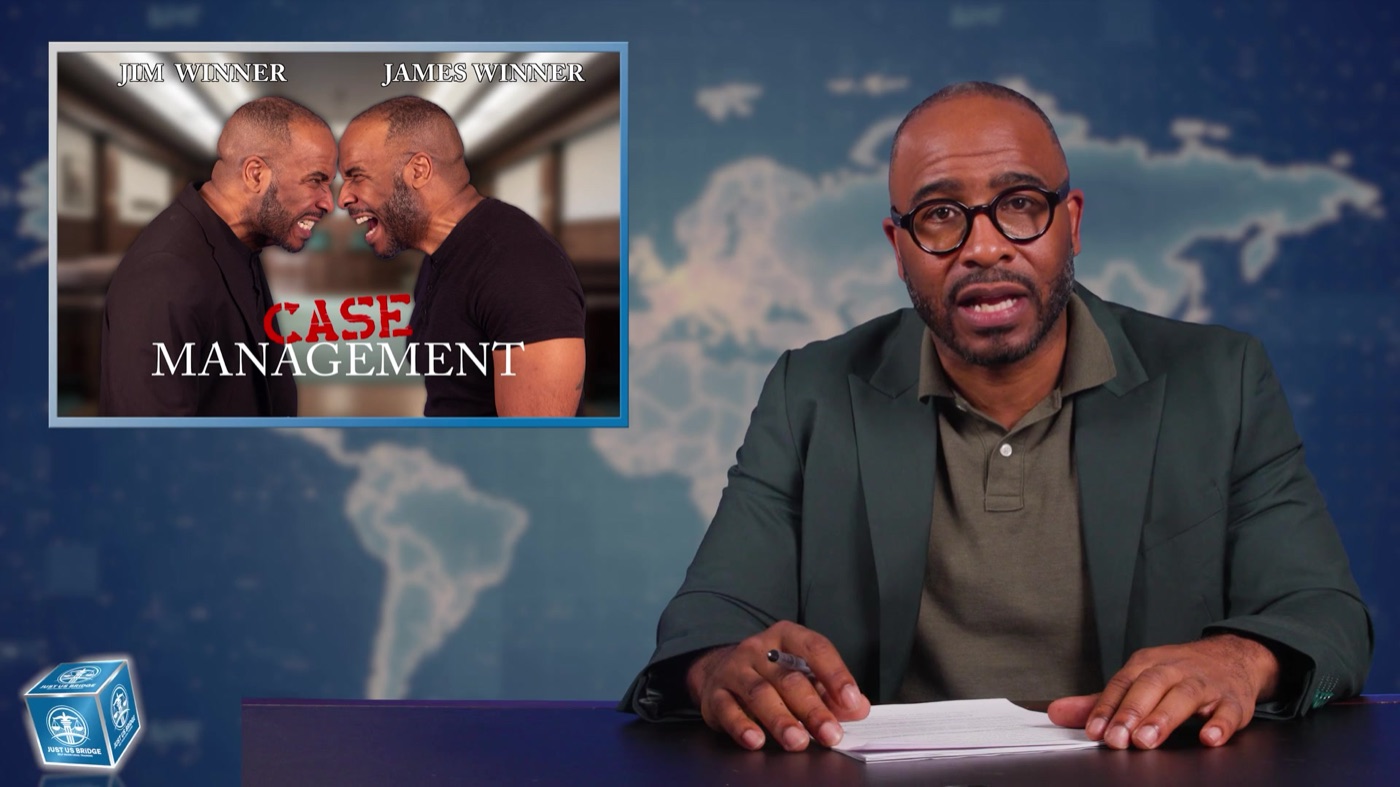


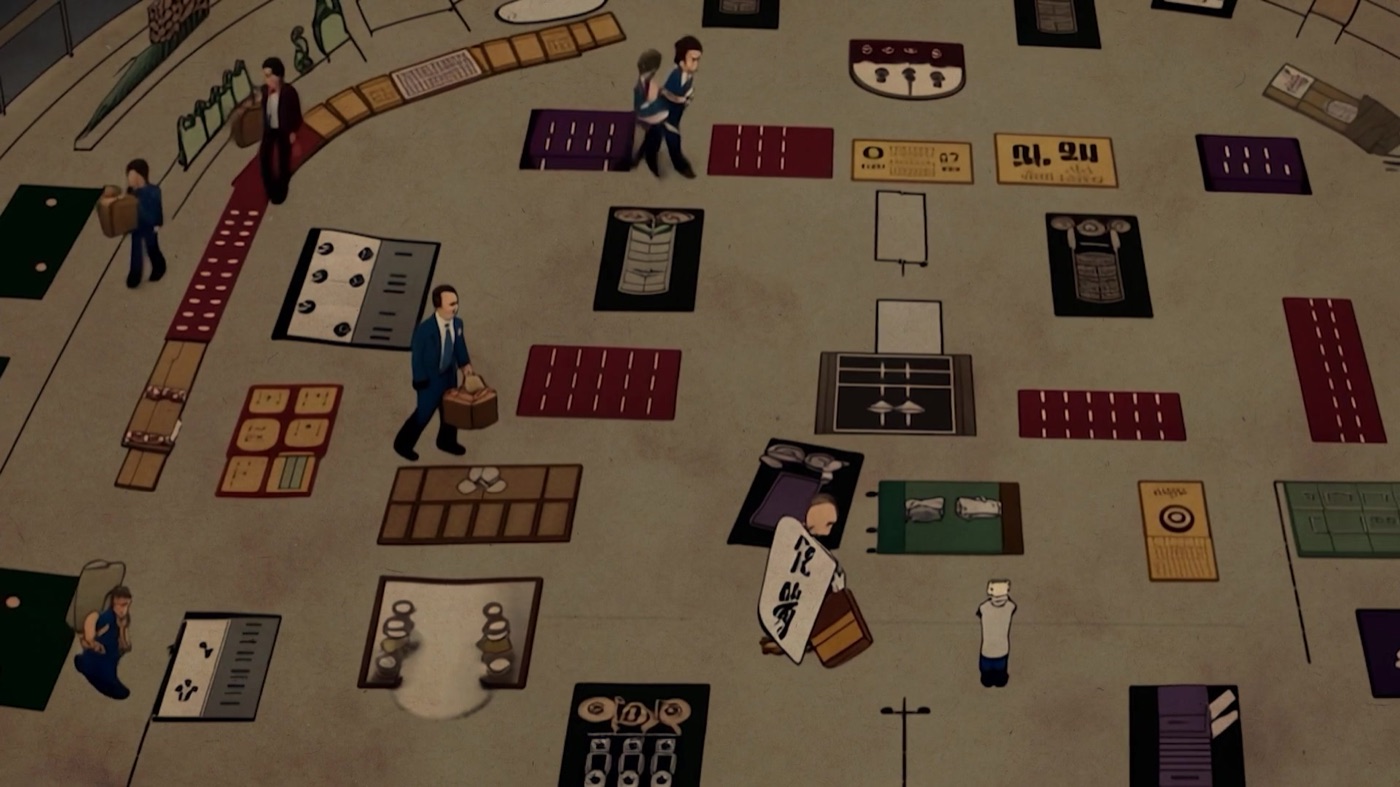
19 are on the public site. Seven more are finished and ready to publish, shown with yellow frames: Dispositive Motions, Notices, Hearings, Case Management, Making a Record, Zoom Court, and the Monopolaw special.
Chicago and Cook County residents will face summonses, notices, hearings, and police stops this year. These examples show how a future licensed project could help them prepare. No Society project or funding is approved.
17 / Illustrative future scopesReview the existing library and test the notices lesson. The Society may consider a license later; it is not taking funding, pledges, or project commitments now.
thejustusbridgeshow.com
Jim Winner, creator and host
Public legal education. Not legal advice.
Produced by Professional Litigant, Inc. No Society license or production contract is in effect.